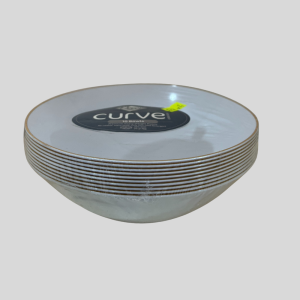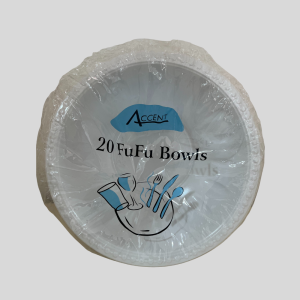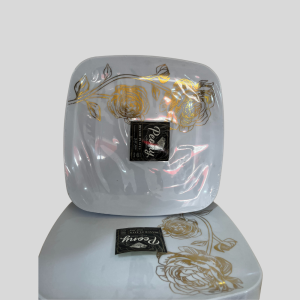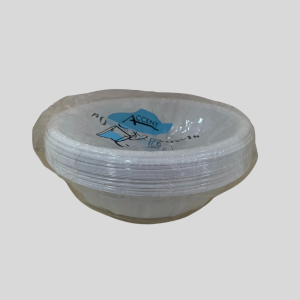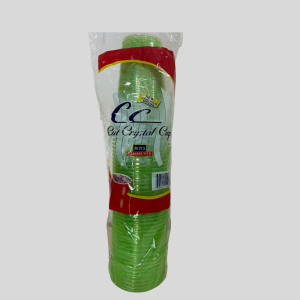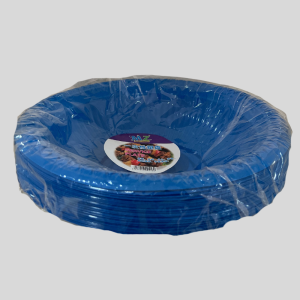
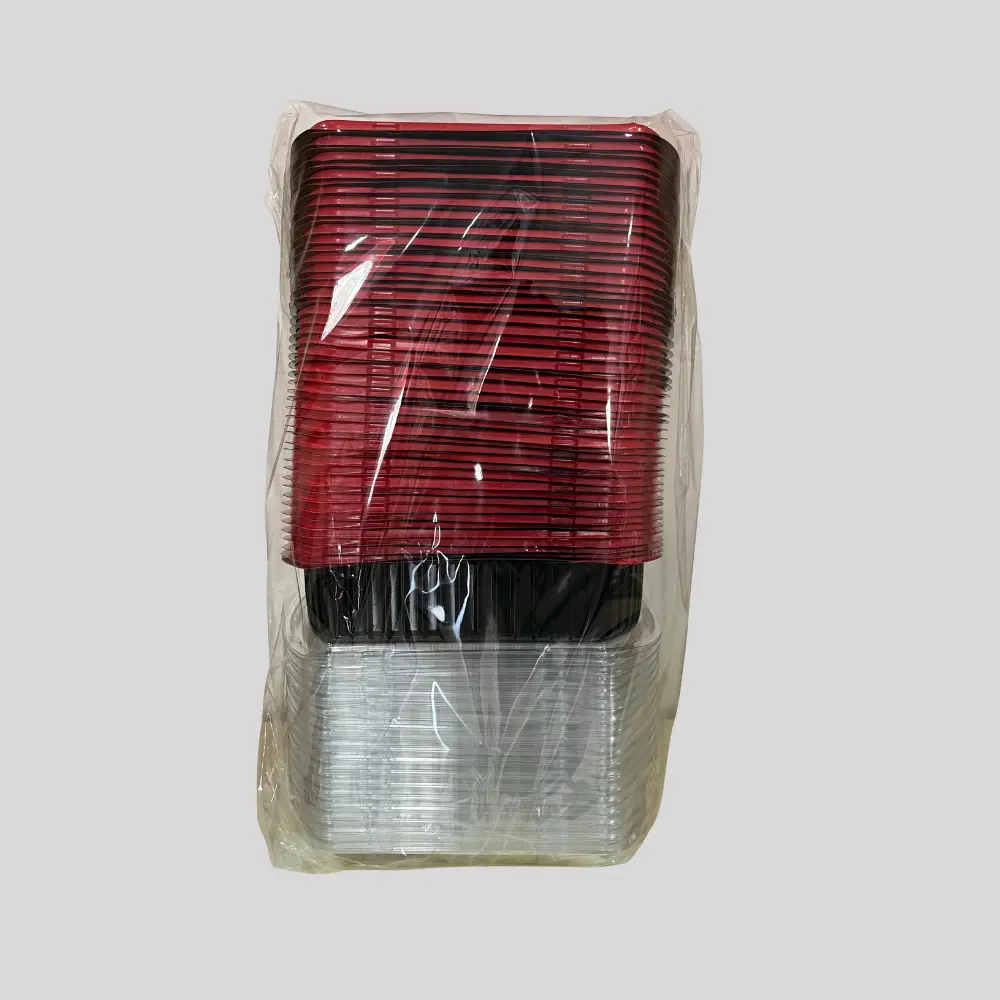
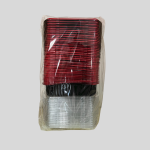
DIsposable microwave bowl 50pcs
₵110.00 ₵120.00
Sold By: 1st World Party Centre & Disposables
Key Information for Microwave Safety
- Look for Labels: Always check for a "Microwave Safe" label or the microwave symbol (wavy lines) on the bottom or packaging of the product. The product in your previous image is a cup and its microwave status is unknown unless specified on its label.
- Safe Plastic Types: Plastics with recycling codes #2 (HDPE) and #5 (PP) are generally more heat-resistant and safer for microwave use than others.
- Avoid Unsafe Types: Avoid microwaving plastics with recycling codes #1 (PET), #3 (PVC), or #6 (PS/Styrofoam), as they can melt or release chemicals when heated.
- Use as Directed: Even with labeled products, avoid prolonged heating, especially of oily or fatty foods, which reach higher temperatures than water-based foods and can damage the plastic over time.
- Inspect Containers: Do not use any plastic container that is scratched, cracked, or damaged, as this increases the risk of chemical leaching.
- Alternative: When in doubt, transfer food to a glass or ceramic container before heating.
Teilen:
Key Information for Microwave Safety
- Look for Labels: Always check for a "Microwave Safe" label or the microwave symbol (wavy lines) on the bottom or packaging of the product. The product in your previous image is a cup and its microwave status is unknown unless specified on its label.
- Safe Plastic Types: Plastics with recycling codes #2 (HDPE) and #5 (PP) are generally more heat-resistant and safer for microwave use than others.
- Avoid Unsafe Types: Avoid microwaving plastics with recycling codes #1 (PET), #3 (PVC), or #6 (PS/Styrofoam), as they can melt or release chemicals when heated.
- Use as Directed: Even with labeled products, avoid prolonged heating, especially of oily or fatty foods, which reach higher temperatures than water-based foods and can damage the plastic over time.
- Inspect Containers: Do not use any plastic container that is scratched, cracked, or damaged, as this increases the risk of chemical leaching.
- Alternative: When in doubt, transfer food to a glass or ceramic container before heating.
Ihre Bewertung hinzufügen
Ihre E-Mail-Adresse wird nicht veröffentlicht. Erforderliche Felder sind mit * markiert
Bitte anmelden, um eine Bewertung zu schreiben!
Es scheint noch keine Bewertungen zu geben.